Rust Solo Survival Lessons From a Wipe Day
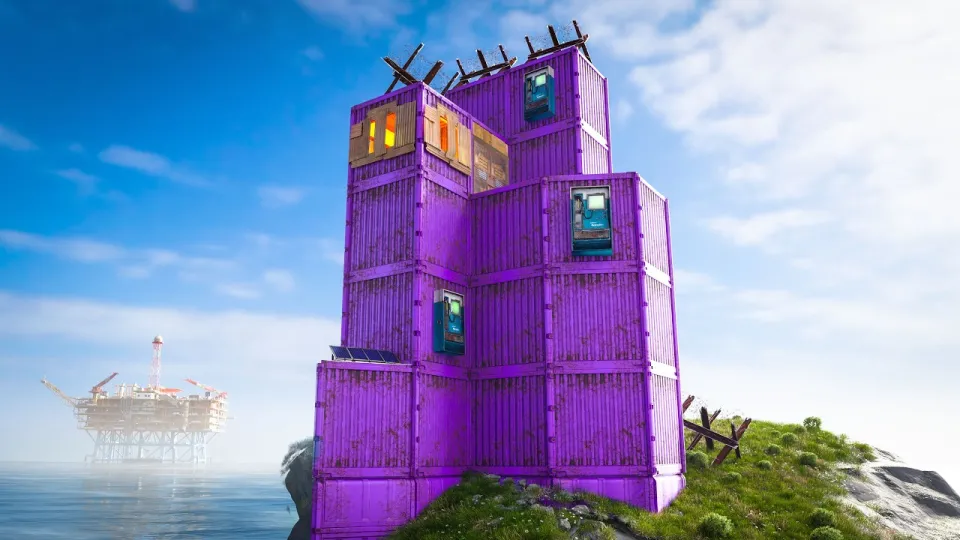
Video: A Solo's Will to Thrive V5 - Rust
Need articles like this for your video? They help promote it on YouTube and Google — order them in the Telegram bot @sat_sit_bot. It writes articles around your video, embeds the video and publishes them on popular niche websites (no ads). Free trial — 50 articles.
· based on the channel Oilrats
Key takeaways
- Rust is a survival game where a solo player starts with a rock, a torch and nothing else on a fresh wipe.
- The featured run opens with a 2x1 starter base, the same compact footprint the creator keeps returning to.
- Loot runs to Large Oil Rig supply the gear that makes a solo competitive against groups.
- A six-player group with two M2s and a dedicated rocket PvPer attacked the solo base and still lost the fight.
- The video was edited by purpluu and mammoth, with music from Epidemic Sounds.
Rust is a multiplayer survival game where every player starts a wipe with a rock, a torch and an empty inventory, and a solo player survives by turning small, cheap decisions into a compounding advantage. The core loop is simple: gather, build a compact base, take high-value monuments like Large Oil Rig, and defend what you own when bigger groups come for it. The solo run featured by the Oilrats channel shows that loop end to end, and the gear linked in the creator's mousepad drop at the Epicdesk Oilrats product page is the only piece of real-world equipment tied to the run.
What Rust actually asks of a solo player
Rust rewards preparation over raw aim, and a solo has to plan around the fact that every fight is potentially a 1v2 or worse. The game's economy is built on scrap, components and blueprints: you farm nodes and barrels, recycle junk, and spend scrap at a workbench to unlock weapons, armor and building pieces. A solo cannot out-farm a clan, so the practical answer is efficiency — hit monuments that pay well per minute, keep the base small enough to rebuild, and never carry more than you can afford to lose.
Wipe day compresses all of that into a few hours. Everyone is naked, everyone is racing the same monuments, and the first player to a working furnace and a tier-one bench sets the pace for the whole area. That is why experienced solo players treat the first hour as the most important part of the wipe.
Why the 2x1 starter base keeps winning
The 2x1 is the default solo opening because it costs almost nothing and hides everything that matters. A two-by-one footprint with a triangle airlock, a tool cupboard, a sleeping bag and a small furnace fits inside a handful of foundations, and it can be upgraded to stone or metal quickly. Its real value is deniability: a tiny base on a quiet grid reads as low priority to roaming groups looking for loot.
Practical rules that make the 2x1 work:
- Place the tool cupboard so it is not visible from the doorway, and keep the door count low so raiders must spend boom on every layer.
- Build away from the road and from popular monument paths; a base nobody walks past is a base nobody raids on day one.
- Keep a second sleeping bag and a stash of tools outside the main footprint so a wipe does not end your run.
- Upgrade the core to stone before you leave for a long farm run, not after.
The running joke in the community is that this creator always starts with a 2x1 — and that consistency is the point, not a lack of imagination.
Large Oil Rig as a solo loot engine
Large Oil Rig is the highest-value monument a solo can reasonably contest, and it is where a run turns from scraping by into fighting back. The rig is guarded by scientists, reached by boat or helicopter, and layered with crate spawns, elite crates and a locked crate that draws attention from every group on the map. The trade-off is noise: boats, gunfire and the rig's own alarm make it obvious that someone is farming.
A solo approach that works:
- Scout the rig from the water first and count boats; two or more boats usually means a group is inside.
- Clear scientists in a fixed order and use cover between decks rather than sprinting through open catwalks.
- Loot the elite crates before the locked crate, and leave the locked crate for last so you are not standing still with a full inventory.
- Stage loot in a boat or a stash near the shore so a death costs you one trip, not the whole run.
Gear from the rig is what lets a lone player answer a group with rifles instead of hiding. Without it, a solo is stuck at tier one while the server moves on.
Defending a solo base against a group
The raid defense is the moment that defines a solo wipe, and the featured run shows the pattern: a six-player group arrived with two M2s and a player dedicated to rocket PvP, and the solo inside still came out ahead. Comments on the video call the rocket play from the attackers poor and the defense legendary, and the takeaway is tactical rather than lucky.
What actually decides these fights:
- Peek from different angles. A group expects the defender to hold one doorway; rotating between shooting positions forces them to split attention.
- Use the base itself. Doorways, airlocks and tight corridors neutralize numbers because only one attacker can push at a time.
- Punish rocket users. A player swapping to a rocket launcher cannot shoot back instantly, which makes that window the best time to push.
- Keep spare kits inside. A defender who respawns with a gun and armor in the same fight is effectively two players.
A group bringing six people and heavy weapons to a small solo base is a compliment, and losing that fight is a bigger cost to them than to the defender.
Questions solo players keep asking
Most doubts around solo Rust come down to timing and risk. Newer players want to know when to leave the starter base, when to fight and when to run, and how much gear is safe to carry. The honest answers are unglamorous: move base only after you have a tier-two bench and a stock of components, fight only when you have an escape route, and treat every inventory as already lost.
The other recurring theme is group size. A solo will lose straight fights against coordinated teams, so the wins come from positioning, third-partying other fights, and choosing monuments where a group's numbers work against them in tight spaces. Watching a full wipe run start to finish is the fastest way to internalize those habits, which is why long-form solo videos function as guides as much as entertainment.
Production and pacing of the series
The video is part five of a solo series, edited by purpluu and mammoth with music from Epidemic Sounds, and viewers consistently point to the editing as a reason the two-hour runtime holds attention. Transitions between a jump off the rig and a swim back to a boat, and audio that muffles underwater and returns on the surface, are the details people notice. For a game where downtime between fights is long, that pacing is what makes a full wipe watchable.
Useful links
- Oilrats mousepad drop on Epicdesk
- https://www.twitch.tv/oilrats
- https://www.tiktok.com/@oilrats
- https://discord.gg/hrvWH8r9bS
- https://twitter.com/OilratsRust
Final thoughts on solo survival
Solo Rust is a game of small margins: a cheap base, a well-timed rig run and one good defense can carry an entire wipe. The run covered by the Oilrats channel is a useful template because it shows the boring parts — farming, building, scouting — as the foundation for the fights that get clipped. The channel's series is worth watching for anyone who wants to see how a lone player competes on a server full of groups. If you want to support the creator directly, the Oilrats mousepad at Epicdesk is the linked product from the video.
Questions & answers
How does a solo player survive the first day of a Rust wipe?
Build a small 2x1 base away from main roads, get a furnace and a tier-one workbench running, and farm monuments that pay well per minute. Keep the base cheap enough to rebuild and never carry more loot than you can lose.
Is Large Oil Rig worth doing alone in Rust?
Yes, if you scout first. Count boats before landing, clear scientists in a controlled order, and stage loot near the shore so one death does not end the run. The elite crates there are the fastest route to rifles and armor for a solo.
Can one player defend a base against a group of six?
It happens, and positioning decides it. Tight corridors limit how many attackers can push at once, rotating shooting angles splits their attention, and pushing a player who is holding a rocket launcher removes their biggest threat.
Why do solo Rust videos start with the same tiny base?
Because the 2x1 is the most cost-efficient design in the game. It hides loot, upgrades quickly to stone, and looks unimportant to roaming groups, which is exactly what a lone player wants on wipe day.
Source: A Solo's Will to Thrive V5 - Rust · Markdown version